 Lower cost per case.
MYL PrefCard Sync
PrefCard Sync learns how surgeons operate to keep preference cards up to date and right-size instrument trays with SPD, reducing supply and reprocessing costs.
Practice evolves. Preference cards don’t.
Keeping preference cards current is still a manual, fragmented process. Updates compete for surgeon and staff time and move through multiple handoffs. As a result, preference cards often lag behind actual practice.
Stop Reviewing Preference Cards One by One
- 1
Compare
Continuously compares preference cards with actual surgical practices.
- 2
Identify changes
Flags targeted updates based on what is done in surgery.
- 3
Route for approval
Sends each recommendation to the right person for review and approval.
- 4
Update the EHR
Automatically updates the EHR once changes are approved.
Design trays around how the case actually runs.
PrefCard Sync analyzes not only which instruments are used, but how they are staged, opened, and deployed during the case. PrefCard Sync works with surgeons, OR teams, and SPD to determine whether changes to tray composition or organization could simplify setup without compromising clinical requirements.
Observe
Captures instrument use, staging, opening sequences, and setup times in the OR.
Redesign
Applies MYL’s tray recategorization algorithm to redesign tray composition and organization for faster, simpler setup.
Validate
Works with surgeons, OR teams, and SPD to validate changes and ensure clinical requirements are met.
Measure
Measures the impact on setup time, reprocessing workload, and supply utilization.
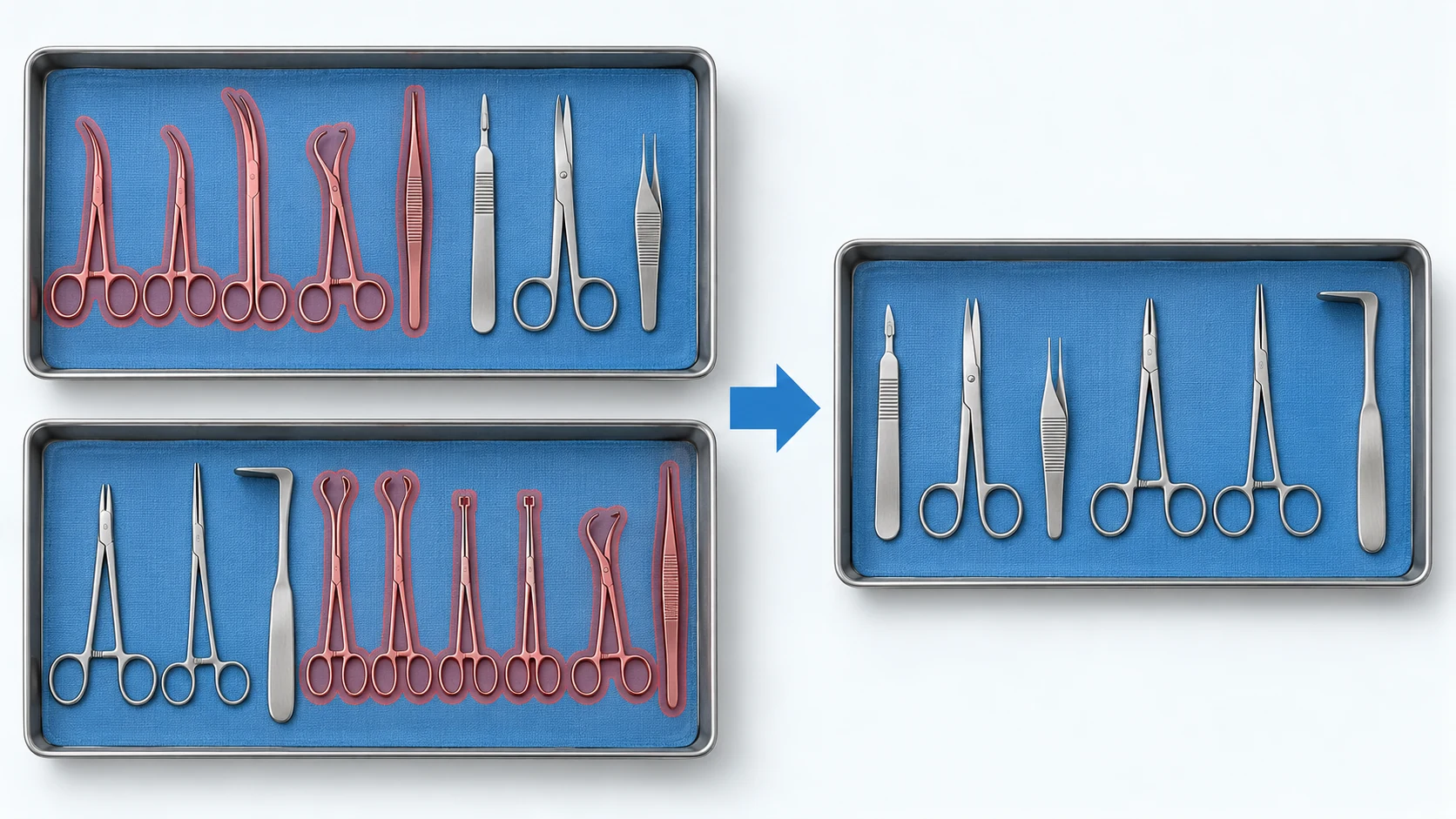
The result is smaller, more standardized trays, less duplication, faster setup, and less reprocessing workload for SPD.
Reduce unnecessary instrument variation where it makes sense.
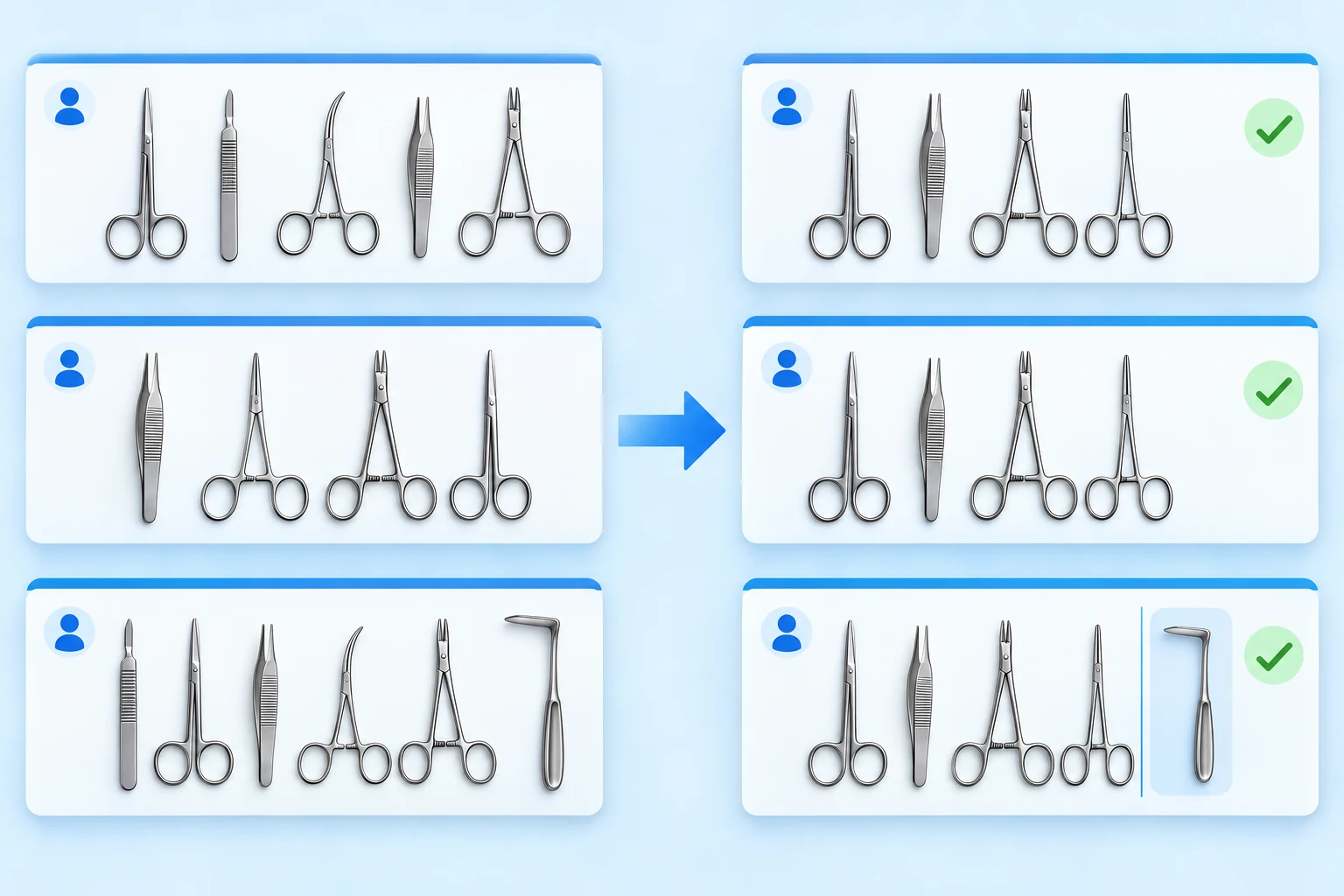
PrefCard Sync identifies variation in instruments, supplies, and implants across similar procedures, works with surgeons and OR teams to determine where standardization makes sense, implements approved changes, and measures the impact.
We prove our impact.
MYL measures the financial results each product delivers in your OR.